

This winter in Vancouver felt different. Until just two weeks ago, it was unusually sunny—nothing like the usual rainy winters we expect. I kept thinking, Why is it so sunny? Here, even three days of sunshine in a row feels like a rare treat, but a whole week? Ten days? It made me uneasy. Is this climate change? I wondered if I should enjoy it or feel guilty about it.
Then came Trump’s announcement of a 25% tariff on Canada and Mexico.
Like an icy wind cutting through, the sudden news in early February—along with a cold snap and fresh snowfall—made everything feel even harsher. It’s as if we’re all being punished because of one person’s decision. The plan? A 25% tariff on Canadian and Mexican imports, plus an extra 10% on China, which already faces steep tariffs.
No matter how long I live here—10, 20 years—even if I become a Canadian citizen, when I think of my country, Korea still comes to mind first. During the last Winter Olympics, I heard on the radio that a Canadian athlete won gold in short track. My first thought? Wait, Korea didn’t win? And yet, now, as Trump takes aim at Canada, I find myself feeling something close to patriotism for this country—something I never expected.
Who Will Suffer More? How Tariffs Affect Everyday Life
As someone who runs a cooking YouTube channel and blog, my first concern is grocery prices. But it’s not just Canadians who should worry—Americans will feel the impact first. The 25% tariff Trump is imposing will be paid by U.S. businesses and consumers importing goods. When companies have to pay higher taxes to bring in raw materials, they import less. This means fewer products on the market, leading to price increases for consumers. In the end, it’s the American public that will bear the cost of these tariffs.
And what happens when fewer people can afford these higher-priced goods? Businesses will slow down, reducing production and, in turn, cutting down on raw material imports. Eventually, this hits Canada’s economy. In fact, economists have already lowered Canada’s 2025 GDP forecast because of these tariffs. On February 3rd—the day Trump made the announcement—the Canadian dollar hit its lowest point against the U.S. dollar in 22 years. And, just my luck, I had to make a payment in U.S. dollars that day!
What’s Trump’s Real Goal?
Trump wants companies to move production and resource extraction back to the U.S., so they won’t have to pay tariffs at all. His goal is to bring back manufacturing jobs and win even more support from his core base—the struggling middle class.
Tensions between neighboring countries aren’t uncommon. But despite past talk of alliances, Trump doesn’t seem to care about friends or allies. That’s why Canada became the first target of his tariff war. Some might ask, Why Canada and Mexico first? The answer is simple: trade volume. The U.S. relies on these two countries for 44% of its agricultural imports—over 90% of imported avocados come from Mexico, 60% of maple syrup from Canada, and 60% of crude oil imports from Canada. When you look at the numbers, it’s clear that Trump started with the biggest trade partners.
Why Is Trump in Such a Hurry?
Originally, the 25% tariff was set to take effect on February 1, 2025. But then, suddenly, it was moved up to February 4. A Tuesday? That change alone raised eyebrows.
The timeline for this tariff has been shifting unpredictably. In the last week of January, the announcement was that it would start in February. Then, out of nowhere, news broke that it would be delayed by a month—only for another report to follow hours later, saying, “Actually, it’s happening right away, but we won’t tell you exactly when.” It all seemed so erratic and unplanned that I half-wondered if it would even happen.
Then, on February 4, the tariff was officially enacted. Canada and Mexico immediately responded by imposing a 25% retaliatory tariff on U.S. goods. But just hours later, Trump delayed the tariff by another month—after both countries agreed to tighten border security. The back-and-forth feels surreal. Managing a nation’s economy and foreign policy shouldn’t be like flipping a pancake. But at this point, nothing Trump does is surprising.
To justify the tariff, he even resorted to misinformation, claiming that “American banks are banned from operating in Canada.” The reality? U.S. banks have been doing business in Canada for years.
How Are Canada and Mexico Responding?
The Canadian government is calling for national solidarity. Social media is now flooded with lists of Canadian-made products, encouraging a boycott of American goods. Even travel plans are being redirected toward domestic destinations. Canada is a country of immigrants, so deep-seated nationalism isn’t always expected—but this time feels different.
At recent sports events, Canadian fans even booed the U.S. national anthem while cheering loudly for their own. It’s a rare show of emotion from the typically polite Canadians.
The U.S. claims the tariff is about border security and drug trafficking, but no one is fooled. Canada and Mexico both promised stricter border control. Mexico, in particular, didn’t hold back, saying, “If Americans want to solve their drug problem, they should start by fixing the issues at home. Maybe crack down on the gun trade fueling criminal networks.” Honestly, that response was refreshing.
Even Americans Are Concerned
This reckless attack on trade partners could backfire. After all, history has shown that tariffs rarely succeed. They don’t last long, and when they do get rolled back, the economic damage lingers for years. Even if some American jobs are created in the short term, the rising cost of goods means U.S. consumers will ultimately pay the price.
A One-Month Delay Is Not a Solution
Trump has delayed the tariffs by a month in exchange for Canada and Mexico tightening their borders. But nothing is truly resolved—this is just the beginning. No one knows what he’ll do next. In fact, European nations are likely next in line, followed by my home country, Korea. Trump has already hinted at targeting specific industries, including semiconductors.
Made in Canada and Product of Canada
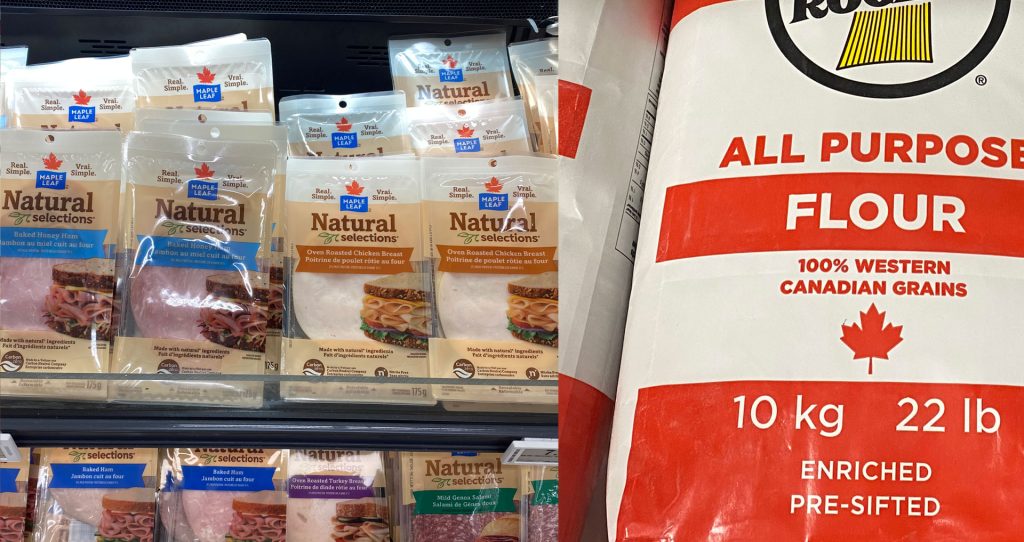
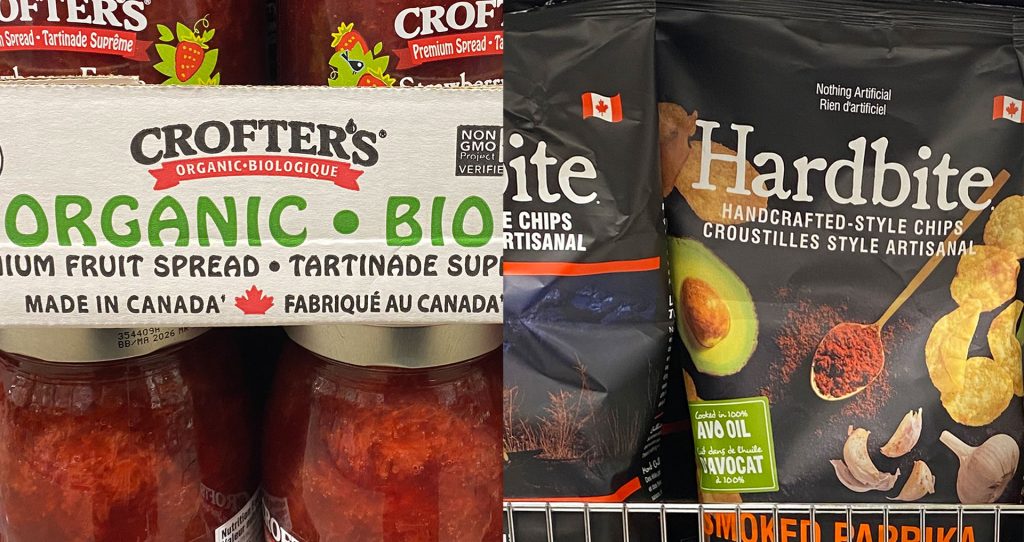
Today, I paid extra attention to product labels while shopping. Usually, I grab what I need without a second thought, but this time, I actively looked for “Made in Canada / Product of Canada.” It made me realize how much I take this for granted.
To my surprise, there were more Canadian-made products than I expected. But some had labels that were hard to spot. If local businesses want more support, they should make their “Made in Canada / Product of Canada.” labels bigger and clearer—maybe even add a bold red maple leaf.
I’ve always preferred buying local when possible, even if it costs a little more. But now, I’m making a conscious effort to support Canadian businesses. With the U.S. having a population of 330 million and Canada just 38 million, their economies operate on vastly different scales. And sure, sometimes I envy the benefits of America’s massive market.
But I have no desire for Canada to become the U.S.’s 51st state. Trump’s demands are a direct challenge to Canada’s sovereignty. And while I may be an immigrant, living here has made me think more deeply about what it means to support the place I call home. I wouldn’t go as far as to call it patriotism—but I do feel a new sense of responsibility.