

1. When Did Canned Foods Begin?
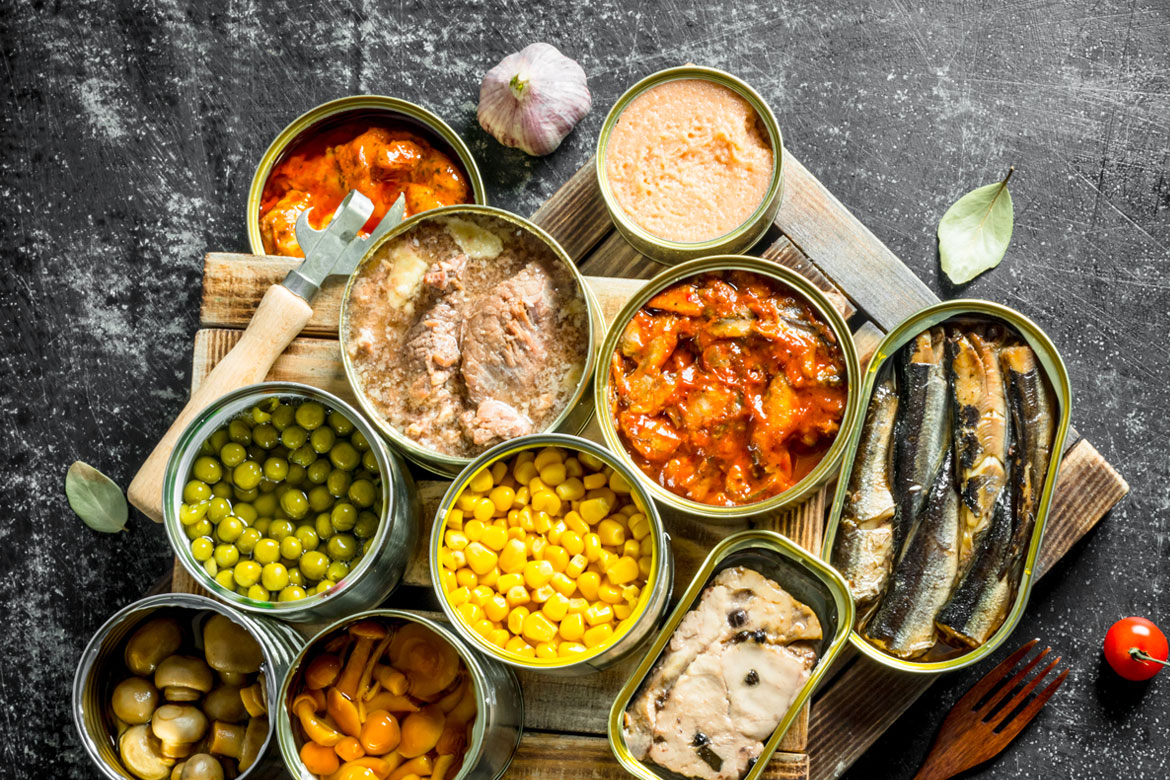
When and why did humanity start preserving food in cans? The invention of canned food wasn’t driven by everyday needs but by specific situations where food storage and quick consumption were critical. Canned food was first developed in the early 19th century by Nicolas Appert of France. It was created during the Napoleonic Wars to provide soldiers with a stable food supply. In 1810, the first patent for cans was registered in the UK, and by the mid-19th century, canned foods were commercialized and spread worldwide.
2. Why Is the Demand for Canned Foods Increasing, and Who Consumes Them?
Why is canned food consumption rising in modern times, despite the absence of war? Busy lifestyles and the surge in demand for storable foods during the COVID-19 pandemic have significantly boosted canned food sales. Key consumers include younger generations seeking convenience, single-person households, and camping enthusiasts. Canned foods’ long shelf life and ease of preparation contribute to their growing global demand.
3. What Is Furan, and Where Is It Hidden in Canned Foods?
Furan is a compound naturally formed during high-temperature food processing. It is particularly prevalent in sealed products like canned or jarred foods. Furan is a volatile, colorless compound that becomes trapped in sealed containers, increasing the risk of ingestion upon consumption.
4. The Health Risks of Furan
Furan has been classified as a Group 2B carcinogen (possibly carcinogenic to humans) by the International Agency for Research on Cancer (IARC) under the World Health Organization (WHO). Animal studies have shown that it can cause liver damage and cancer, and ongoing research aims to determine its precise effects on humans. Minimizing exposure to furan is crucial for health.
5. How to Reduce Furan and Consume Canned Foods Safely
Furan is a volatile compound, so following these tips can help reduce its levels before consuming canned foods:
- Open the can and let it sit for a while. Allowing the can to remain open for 5–10 minutes can help furan evaporate into the air.
- Choose fresh ingredients when possible. Opting for fresh food over canned products can naturally lower furan intake.
6. Identifying Healthier Canned Products
Many food manufacturers are introducing technologies to reduce harmful substances like furan in response to consumer concerns. Look for labels emphasizing healthy processing methods, such as preservative-free or low-temperature sterilization. Also, choose products from reputable brands and those with certification marks.
7. Are Canned Drinks Safe?
What about furan in canned beverages? Unlike canned foods, which are processed at high temperatures, most canned drinks undergo processing that produces minimal furan. However, processing methods vary, so always choose trusted brands and examine manufacturing details. For added safety, open the can and let it sit for a minute before drinking.
Additional Tips: Storing Leftover Canned Foods
Proper storage of leftover canned foods is essential for maintaining freshness and safety:
- Transfer contents out of the can. Leaving leftovers in the can may cause metal corrosion or flavor changes. Use clean glass or plastic containers with airtight lids.
- Refrigerate immediately. Always store leftovers in the fridge. Generally, consume them within 2–3 days.
- Consider freezing if applicable. Some canned foods, like soups and sauces, can be frozen for 1–3 months. However, avoid freezing foods like potatoes or cream sauces, as textures may change.
- Label and organize. Cool food completely before storage, and label containers with the storage date to avoid forgetting about older items.
- Reheat properly. Heat leftovers to at least 74°C (165°F) before eating. Reheat only once, and discard any remaining food.
Is it Safe to Eat Dented Canned Food?
- Check Before Consuming: Always inspect dented cans before eating.
- Mild Dents: If the seal is intact and there is no internal damage, it is generally safe to consume.
- Severe Dents: If the lid is bulging or the seal is broken, avoid consumption.
- Check for Rust or Leaks: If there is rust or liquid leaking from the can, it may indicate spoilage.
- Botulism Risk: If the can is not properly sealed or is damaged, Clostridium botulinum bacteria may grow and produce botulinum toxin, which is highly dangerous even in small amounts and can cause severe food poisoning.
Conclusion: Mild dents might be fine, but if safety is in doubt due to visible issues, it’s best not to consume the can.
8. Conclusion
Canned foods are a convenient part of modern life but require mindful consumption to minimize exposure to harmful substances like furan. By following proper usage and storage methods and selecting trustworthy products, you can maintain a healthy diet. “Even when enjoying canned foods, make smart choices!”